

Grief f*cking sucks. Life doesn’t have to.
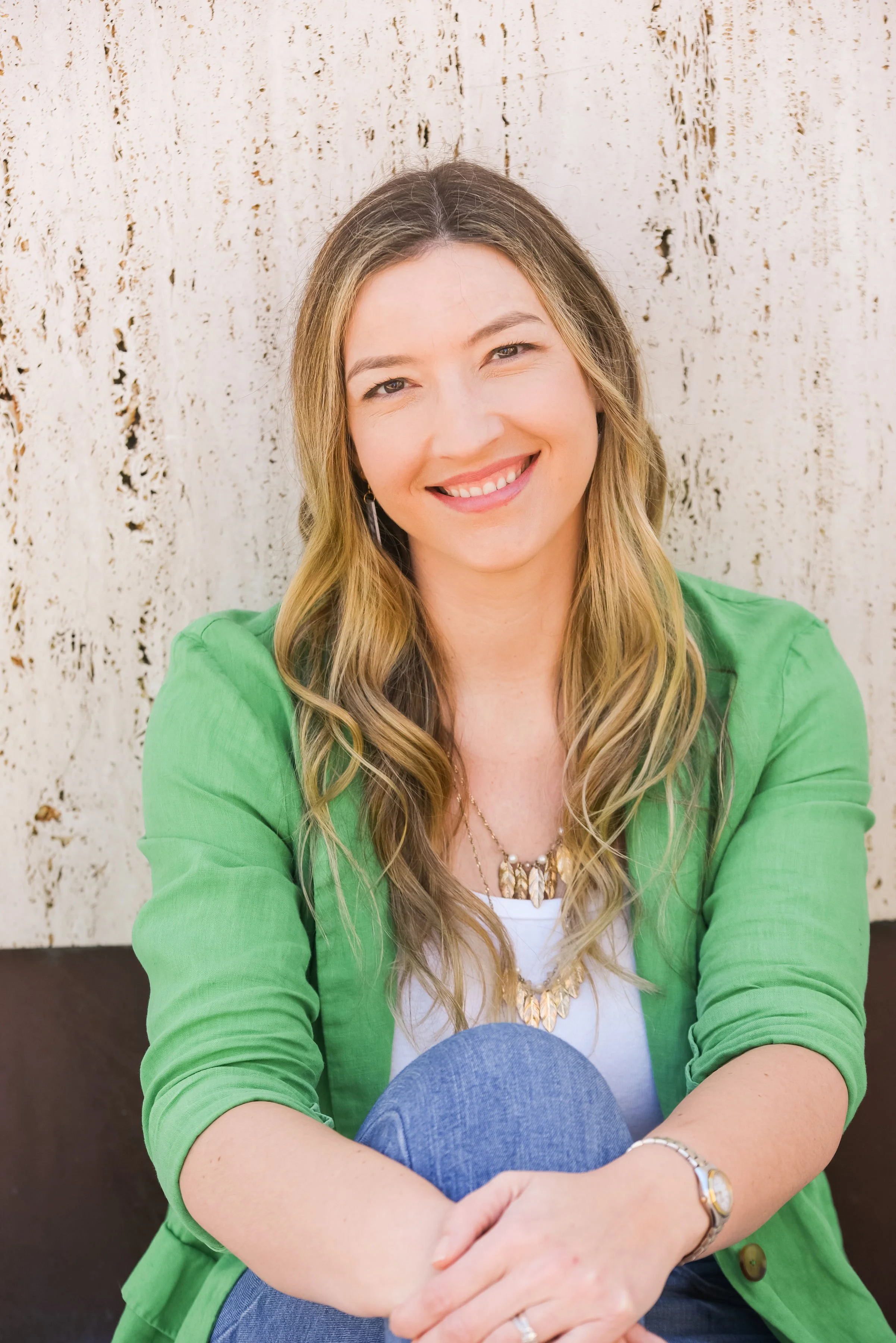
I was my first client.
I lost my dad to suicide when I was twenty six years old. I had no idea what to do with my grief, so I spiraled. I made rash decisions and drastic changes at first.
But I also began a major journey of self-discovery, acquiring tools and techniques to help me regulate the waves of emotion and rewrite the stories I was telling myself about my loss.
I had no idea that what I was learning would become a lifeline when I lost my younger brother to alcoholism eleven years later.
Now, I walk with people through their own journeys with change and upheaval, supporting them through some of the most challenging times of their lives.
Brigid Dodge
As an intersectional, trauma-aware, feminist life coach, Brigid specializes in supporting people grappling with change and loss within a world of injustice.
She earned her BA in psychology from the University of San Diego, and holds certifications in individual crisis response, leadership, and diversity & inclusion.
Other than that, her black cat is basically her entire personality.
MY VALUES
COMPASSIONCompassion is twofold: it’s having a deep understanding of someones pain coupled with a strong desire to help alleviate it. I lead with compassion because it is in direct contrast with extractive systems like capitalism and colonialism that seek to deprive people of their right to grieve.
INTEGRITYIntegrity is doing what you say you’ll do, even when no one else is watching. I bring integrity to the spaces I am in because it is important for my clients to see that my actions align with my values.
TRUSTTrust is built in small moments of vulnerability and accountability. I take the trust that my clients have in me very seriously. Without trust we cannot cultivate safe, meaningful connections, especially within coaching containers





FAQs
What does “intersectional” mean?
1
Intersectionality is a theory developed by scholar Kimberlé Crenshaw. It’s the understanding that people with different identities have different experiences in the world. Everything connects to everything else in some way shape or form because none of us exist alone in a vacuum. Intersectionality is one of the reasons we all experience grief in different ways, and I feel it’s important to have this understanding when walking with people through their grief journeys.
What do you mean when you say you’re “trauma-aware”?
2
Trauma is a lasting response to to a distressing event (or many events) that overwhelms someone’s ability to cope. You may have heard the term “trauma-informed” before. This implies that a practitioner has had specific and rigorous education in the realm of helping people through personal trauma. While I have studied trauma and continue to take consistent continuing education (CE) on the subject, I have not done any targeted, specialized training in it.
While we all carry our own kind of trauma, I’m aware that some of it is beyond my scope of work. If you’re experiencing traumatic grief, it’s possible that I may refer you out to a clinician who specializes in trauma. Not sure if that’s you? Let’s talk about it and get you the clarity you need.
You say you’re a feminist - do you only work with women?
3
Not at all! Grief affects all of us, and so I firmly believe that everyone should have access to equitable support systems. But we have to acknowledge that the oppressive systems we live within make this extremely difficult for many people. Feminism is an ideology that works to ensure that every person, no matter their class, race, gender identity, etc, has the same opportunities and access to resources